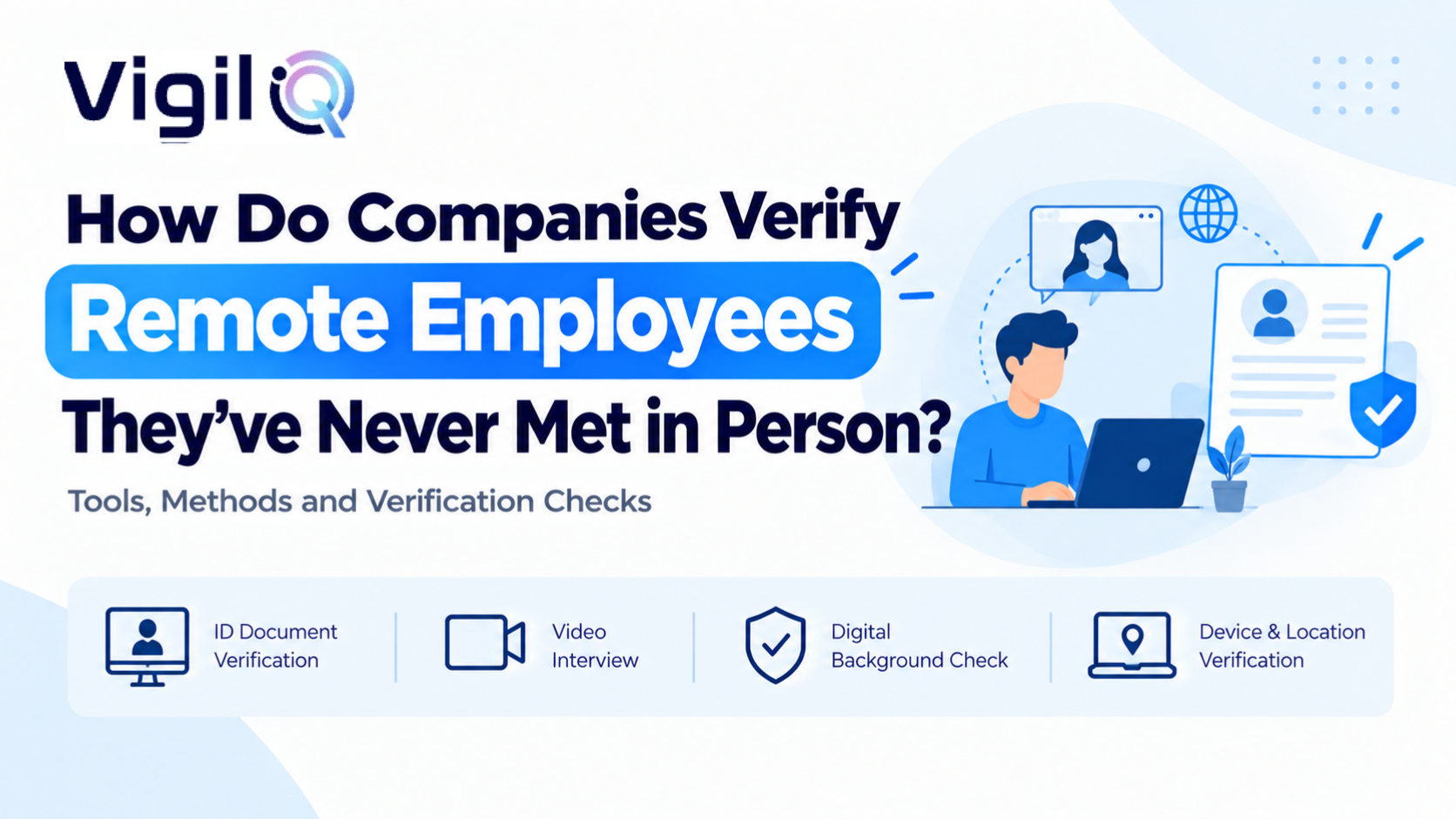
Remote hiring has become the default way modern companies build their teams, but it has also introduced a serious challenge: how do you trust someone you have never actually shaken hands with? This is precisely why background verification for remote hiring has become a non-negotiable part of the recruitment process today. Companies can no longer depend on face-to-face interviews or physical document checks alone. Instead, they rely on structured, technology-driven systems to confirm identity, employment history, and qualifications before a candidate is ever onboarded, so recruiters can move forward with confidence no matter where a candidate is located.
From startups hiring their first remote developer to enterprises building distributed teams across continents, the underlying question stays the same: how do you know the person you hired is exactly who they say they are? Many candidates today already use platforms like VigilIQ Global to build verified, well-formatted resumes before they ever apply, which gives recruiters a stronger starting point once the verification process begins. The rest of this guide walks through the tools, steps, and best practices that answer that question in practice.
Why Remote Hiring Trust Matters More Than Ever
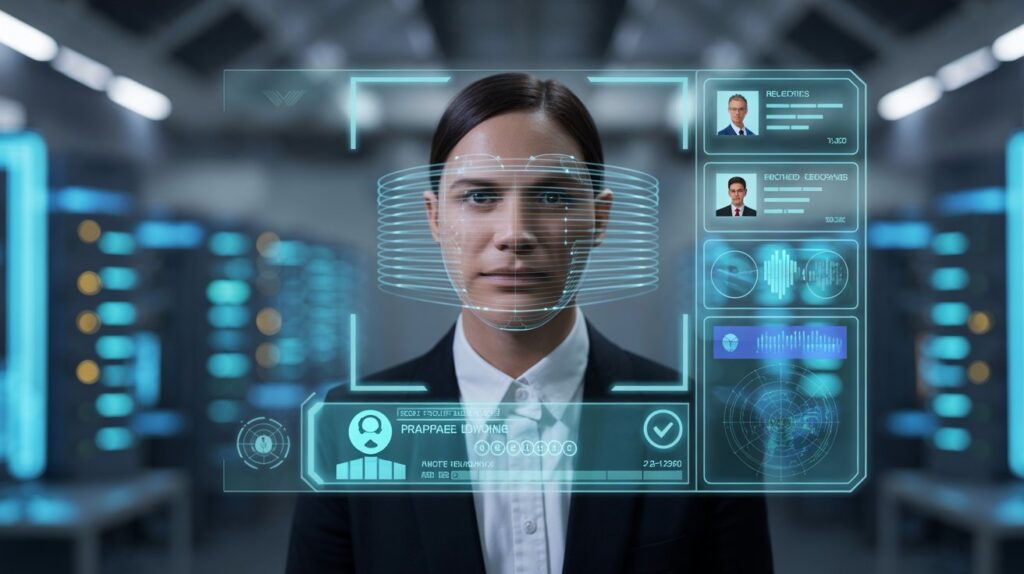
When recruitment moves entirely online, trust in remote hiring becomes the foundation of the employer-employee relationship. Therefore, without trust, businesses risk onboarding candidates who misrepresent their identity, qualifications, or work history.
Remote roles often grant access to sensitive systems, client data, and financial information from day one. As a result, a single bad hire can create serious security and compliance problems. That is why companies now treat a remote employee background check as a mandatory step, not an optional one. However, it isn’t only about catching fraud. It is also about building long-term confidence between a distributed team and the people leading it. This kind of trust doesn’t happen automatically. It is earned through a consistent, documented verification process that every candidate goes through, regardless of seniority or department.
The Risk of Skipping Verification
Skipping verification might save a few days during recruitment, but it can cost far more later. Fake degrees, inflated job titles, and fabricated employment history are more common in remote hiring because candidates assume employers cannot easily cross-check details across cities or countries. Because of this, businesses that skip proper checks often face compliance issues, workplace risks, and reputational damage down the line.
There is also a financial cost to consider. Replacing a bad hire, retraining a team, or dealing with a security incident caused by an unverified employee is far more expensive than the verification process itself. Therefore, most HR leaders now treat verification as a fixed cost of doing business responsibly, rather than an optional add-on reserved for senior roles. Small and mid-sized companies, in particular, benefit from this discipline, since they often lack the internal resources to absorb a costly hiring mistake.
The Virtual Background Verification Process Explained
Modern hiring teams don’t rely on manual paperwork anymore. Instead, they use a structured virtual background verification process that runs mostly online, from document collection to the final report.
Here is what this process typically includes:
- Identity verification using government-issued IDs such as Aadhaar, PAN, or passport
- Employment history verification through previous employer records
- Education verification against university and institutional databases
- Criminal record checks across available jurisdictions
- Address verification to confirm the candidate’s stated location
Each of these checks happens digitally, through secure portals and API-based integrations, so employers can verify candidates located anywhere without ever meeting them.
Step-by-Step Breakdown
First, the candidate submits digital copies of identification and supporting documents. Next, the verification platform cross-checks these details against official databases and institutional records. Then, employers receive a structured report flagging any mismatches. Finally, HR teams review the report before extending a final offer. This structured flow is exactly what makes the entire online screening system reliable, even when no in-person meeting ever takes place.
How to Verify Remote Candidates Without Meeting Them
Employers naturally wonder how it’s possible to verify remote candidates when the entire hiring journey happens over video calls and email. The answer lies in combining digital identity checks with data cross-verification, rather than relying on a single point of trust.
Video-Based Identity Checks
Live video verification allows recruiters to confirm that the person on the call matches their submitted ID. This simple step significantly reduces impersonation risk, which has become more common as remote hiring scales globally across time zones and borders. Some platforms also record short verification clips as part of the candidate’s file, giving HR teams a documented reference to fall back on if any question arises later during onboarding or an internal audit.
Digital Document Cross-Verification
Beyond video calls, platforms cross-reference submitted documents against multiple databases in real time. So, if a candidate’s claimed degree does not match university records, or an employment date does not align with company records, discrepancies surface immediately, well before onboarding begins. This layered approach is especially useful when a candidate has worked across several countries, since manual checks alone would take weeks to complete and often miss small but important inconsistencies.
Best Practices for Hiring Remote Employees Safely
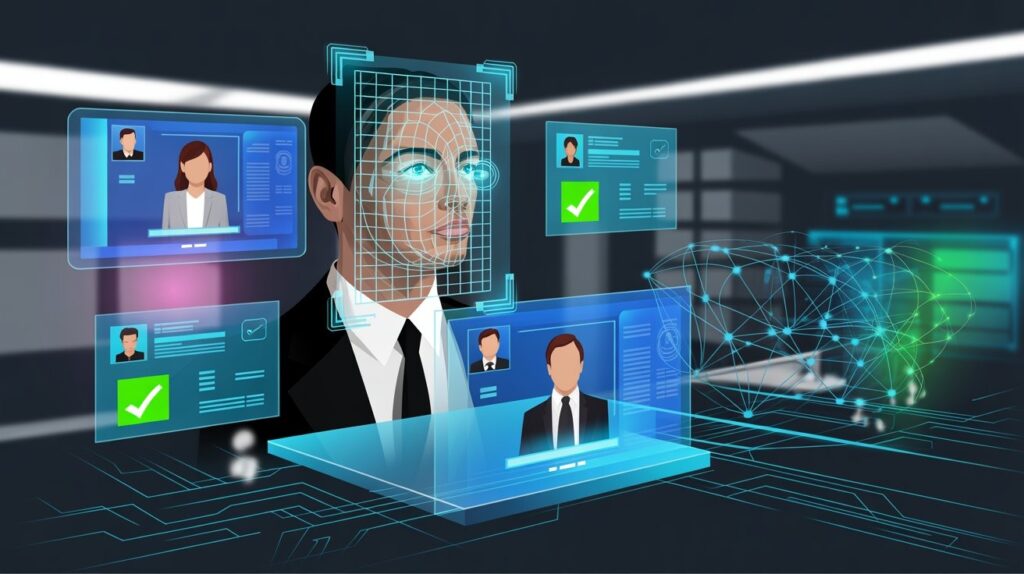
Doing this well requires more than a single background check. It requires a consistent, repeatable background verification for the remote hiring approach applied to every candidate, regardless of location or role.
Partnering with the Right Verification Platform
Choosing a reliable verification partner matters as much as the checks themselves. Career platforms like VigilIQ Globalalready help candidates present verified, accurate resumes before they even apply, which gives employers a stronger starting point. When verification tools and candidate-facing platforms work together, hiring remote employees safely becomes far less time-consuming for HR teams.
Building a Repeatable Screening Policy
Every organisation should define a standard checklist covering identity, education, employment, and address verification. Consequently, no candidate is verified less thoroughly than another, which keeps the process fair, compliant, and audit-ready. This is particularly important for companies scaling their remote teams quickly, since an inconsistent process is often where fraud and compliance gaps slip through unnoticed. A reliable remote employee background check should never be skipped, regardless of how strong a candidate looks on paper.
Communicating the Process to Candidates
Transparency matters just as much as thoroughness. Candidates who understand why they are being asked for documents and how their data will be used, tend to respond faster and with less friction. Clear communication also protects the company legally, since consent and data handling policies are an essential part of any compliant verification workflow, especially when candidates are based in different states or countries with their own privacy regulations.
Conclusion
Hiring someone you have never met in person no longer has to feel like a leap of faith. With a structured background verification for a remote hiring approach, companies can confirm identity, credentials, and employment history quickly and accurately, no matter where a candidate is located. Platforms such as VigilIQ Global continue to make the hiring journey smoother for both recruiters and candidates, from resume creation to final verification. If you are preparing your resume for a remote role, our guide on structuring your resume the right way is a useful next read before you apply.
Ultimately, remote hiring is not going away. If anything, distributed teams will keep growing as companies compete for talent beyond their own city or country. The businesses that get ahead of this shift are the ones that treat verification as part of their culture, not just a compliance checkbox tucked into the offer letter.
| Ready to Hire Remote Talent With Complete Confidence?Verify identity, employment, and education faster with a trusted screening workflow built for distributed teams.Explore the Verification API Suite → |
Frequently Asked Questions
It is the structured process companies use to confirm a remote candidate’s identity, education, employment history, and address entirely online, without an in-person meeting.
Most digital checks are completed within three to seven business days, depending on how quickly institutions and previous employers respond.
Yes, most verification platforms support cross-border checks by connecting to international databases, employer records, and government ID systems.
Since remote employees often access sensitive systems, client data, and financial information from day one, verified trust reduces security, compliance, and reputational risk for the business as a whole.
Video verification is one layer of the process; it is most effective when combined with document cross-verification and database checks against official records.