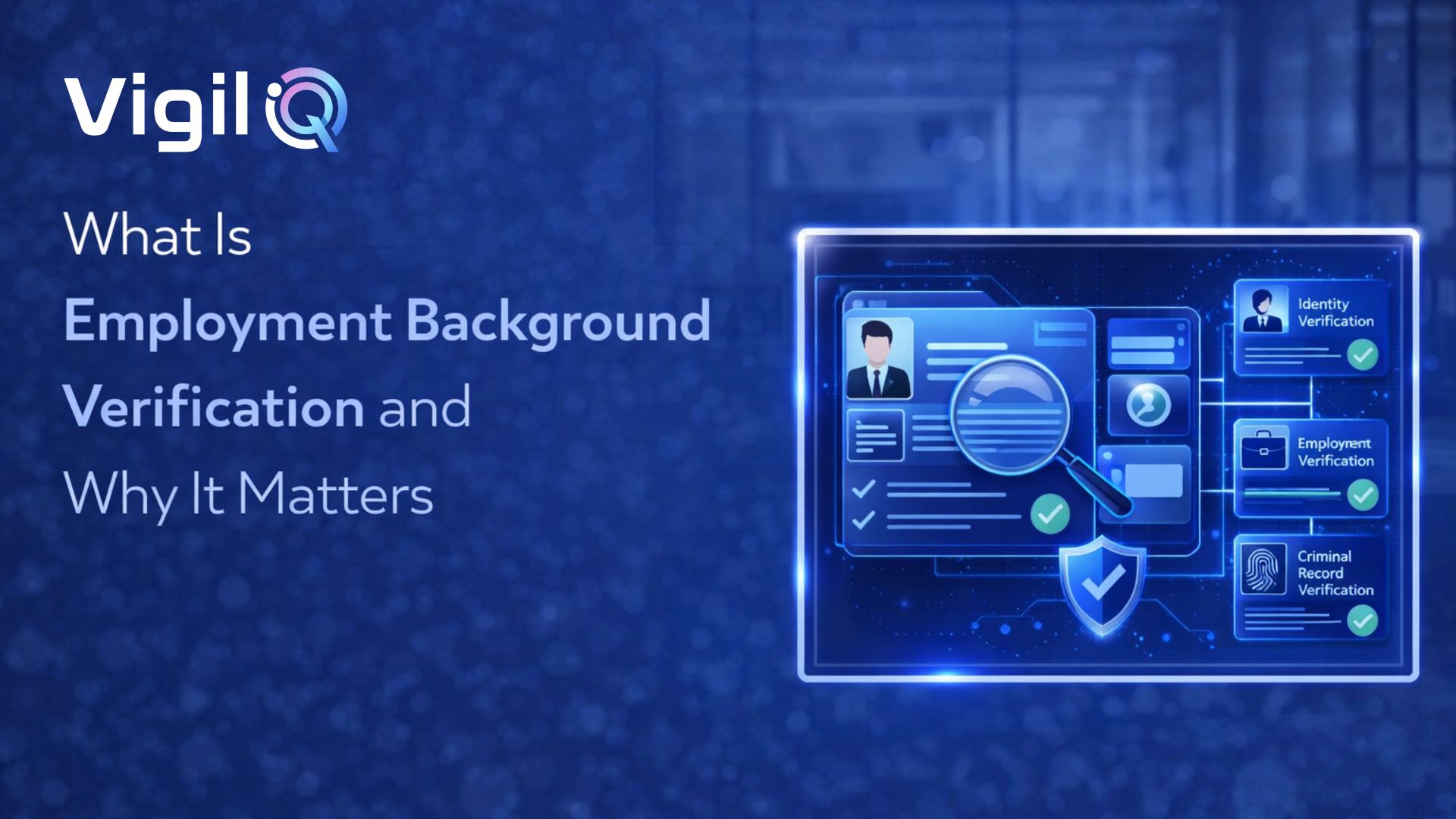
Employment Background Verification: Why It Matters in Hiring
Employment Background Verification is a critical step in modern hiring. Today, companies receive many applications for every role. Therefore, recruiters must ensure that every candidate provides accurate and honest information.
However, resume fraud and false claims are common. Because of this, businesses must verify employment details before making hiring decisions. Employment background verification helps organizations confirm work history, reduce risks, and improve hiring quality.
As a result, companies can build a trustworthy workforce and avoid costly hiring mistakes.
What Is Employment Background Verification?
Employment Verification is the process of checking a candidate’s previous work history. It involves validating details such as job roles, company names, employment duration, and responsibilities.
Instead of relying only on resumes, companies verify this information through official sources and past employers. Therefore, recruiters can ensure that candidates have the experience they claim.
In many cases, employment verification is part of a broader background verification (BGV) process. This includes identity verification, address checks, and criminal record verification.
Why Employment Background Verification Matters
Employment BGV plays a key role in hiring. It helps companies reduce risks and make better decisions.
Prevents Resume Fraud
Many candidates exaggerate or falsify their work experience. Employment background verification helps detect these inconsistencies.
As a result, companies avoid hiring unqualified candidates.
Improves Hiring Accuracy
Accurate information leads to better hiring decisions. Therefore, verification ensures that recruiters select the right candidates.
Reduces Business Risk
Hiring the wrong employee can create operational and financial risks. Employment verification reduces these risks by confirming candidate credibility.
Ensures Compliance
Many industries require background checks for compliance. Therefore, employment verification helps companies meet regulatory requirements.
Key Components of Employment Background Verification
Employment background verification includes several important checks.
Employment History Verification
This check confirms previous job roles, company names, and duration of employment.
Companies often perform Employment Verification to validate this information accurately.
Identity Verification
Identity verification ensures that the candidate is genuine. Businesses use Identity Verification to match personal details with official records.
Address Verification
Address verification confirms the candidate’s residential details. Companies perform Address Verification to ensure accurate documentation.
Criminal Record Verification
Criminal background checks help identify potential risks. Organizations use Criminal Record Verification to maintain workplace safety.
Challenges in Employment BGV
Although employment verification is important, companies often face challenges.
Manual Processes
Traditional verification methods rely on emails and calls. Therefore, the process becomes slow and inefficient.
Data Inconsistency
Different sources may provide conflicting information. As a result, verification becomes difficult.
Fraudulent Documentation
Some candidates submit fake documents. Therefore, manual checks may not always detect fraud.
Time Delays
Verification can take several days or weeks. This delays hiring decisions.
Because of these challenges, companies are adopting automated solutions.
How Technology Improves Employment Verification
Technology has transformed employment BGV. Companies now use APIs and automated systems to perform checks.
Faster Verification
Automated systems provide real-time results. Therefore, companies can speed up hiring.
Improved Accuracy
Technology reduces human errors. As a result, verification becomes more reliable.
Better Fraud Detection
Advanced systems can detect fake documents and inconsistencies.
Scalable Processes
Businesses can verify multiple candidates simultaneously.
For example, companies use Background Verification APIs to automate employment checks and improve efficiency.
Employment BGV in Digital Hiring
Digital hiring is becoming more common. However, it also increases fraud risks.
Employment verification helps companies secure digital hiring processes. Therefore, organizations can verify candidates even in remote hiring environments.
Companies often combine employment checks with PAN Card Verification and Aadhaar Verification to ensure complete screening.
As a result, hiring becomes both fast and secure.
Benefits of Employment Background Verification
Employment verification offers several advantages.
Better Hiring Decisions
Verified data helps recruiters select the right candidates.
Reduced Fraud
Companies can detect false claims early.
Improved Workplace Safety
Verification ensures that employees are trustworthy.
Stronger Employer Brand
Organizations that follow proper hiring practices build trust.
Best Practices for Employment Background Verification
To get the best results, companies should follow these practices:
Use automated verification tools
Combine employment checks with identity verification
Verify information from multiple sources
Maintain compliance with data regulations
Integrate verification into hiring workflows
These practices help businesses create a strong and reliable hiring process.
Future of Employment Background Verification
The future of employment verification is digital and automated. Companies are increasingly using APIs and AI-powered systems.
Real-time verification will become standard. Therefore, hiring processes will become faster and more efficient.
Organizations that adopt modern verification methods will gain a competitive advantage.
Frequently Asked Questions
What is employment background verification?
Employment verification is the process of checking a candidate’s previous work history and job details.
Why is employment verification important?
It helps companies confirm candidate experience, reduce fraud, and make better hiring decisions.
How long does employment verification take?
Manual verification may take days, but API-based verification provides faster results.
What details are verified in employment checks?
Job role, company name, employment duration, and responsibilities are verified.
Is employment verification part of background verification?
Yes, it is a key component of the overall background verification process.
Conclusion
Employment Verification is essential for modern hiring. It helps companies confirm candidate information, reduce fraud, and improve hiring accuracy.
As recruitment becomes more digital, verification processes must also evolve. Therefore, businesses should adopt automated solutions to stay ahead.
By implementing strong employment verification practices, organizations can build a reliable workforce and ensure long-term success.