
Trust sits at the centre of every transaction in the banking, financial services, and insurance sector, and that is exactly why BFSI Background Verification has become a non-negotiable part of onboarding staff, vendors, and senior leadership. Banks and NBFCs handle sensitive customer data, large transaction volumes, and tightly regulated products every single day, so one unverified hire can expose an institution to fraud, compliance breaches, and lasting reputational damage. This guide breaks down what the process actually involves, how screening differs across banks and NBFCs, why regulators care so much about it, and how institutions can build a verification approach that holds up under audit while still keeping hiring fast.
Financial Services Background Check: What It Covers in BFSI Hiring
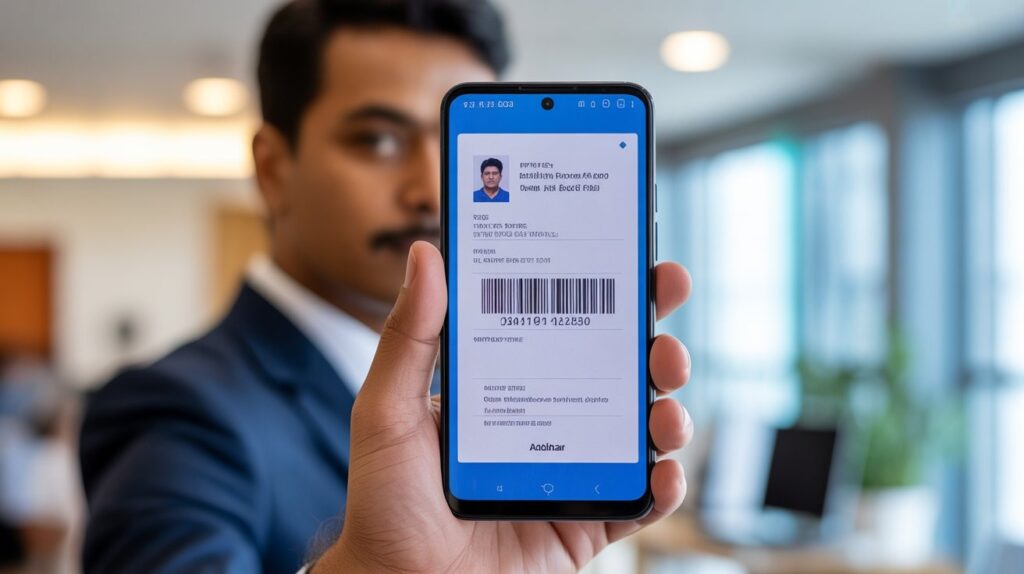
A financial services background check is far broader than a standard pre-employment screening. Because BFSI employees often have direct access to customer accounts, credit information, and core transaction systems, the process needs to look well beyond a resume and a couple of casual reference calls. It typically combines identity verification, address verification, employment history checks, education verification, criminal record screening, and credit checks into a single case file, so hiring teams get a complete risk picture before any offer is confirmed. This matters just as much for contract staff and third-party vendors as it does for full-time employees, since access to sensitive systems is rarely limited to permanent headcount.
Why Financial Institutions Cannot Skip This Step
Regulators expect banks and NBFCs to demonstrate that every employee handling money or sensitive data has been screened properly, and that the screening was done through authorised sources rather than informal checks. Treating verification as a box-ticking formality leaves gaps that fraud rings, repeat offenders, and credential fraudsters are quick to exploit. A single compromised hire in a cash-handling, underwriting, or collections role can trigger losses that far outweigh the modest cost of screening in the first place, not to mention the regulatory penalties and reputational fallout that follow a preventable incident.
Core Checks Included in the Screening Process
A well-designed screening programme usually includes identity and address verification, employment and education checks, criminal record searches across every city a candidate has lived in, and a credit history review for roles that touch lending, cash management, or underwriting. Reference checks with previous employers round out the picture, confirming conduct and performance rather than simply dates of employment. Together, these checks give BFSI institutions a documented, defensible basis for every hiring decision.
Banking Background Verification: The Standards Banks Follow

Banking background verification operates under some of the strictest compliance expectations of any industry in India. Because banks are directly regulated by the Reserve Bank of India and other statutory bodies, their screening processes are held to a higher standard than most other sectors, and audit trails matter just as much as the checks themselves. Working with an established verification partner like VigilIQ Global helps banks meet these audit requirements without building complex compliance infrastructure in-house.
Regulatory Expectations Banks Must Meet
Banks are expected to maintain documented, repeatable screening workflows that can withstand regulatory audits at any time. Verification reports need to be time-stamped, sourced from authorised databases, and stored securely for as long as internal compliance policy requires. Ad hoc checks, screenshots, or informal phone confirmations simply do not hold up under scrutiny, and gaps in documentation can attract penalties even when the underlying hire turns out to be clean.
Roles That Require the Deepest Scrutiny
Not every position carries the same level of risk, so screening intensity is usually tiered based on role sensitivity. Branch staff, tellers, relationship managers, credit officers, and anyone with system-level access to core banking platforms typically undergo the most extensive checks, including credit history and criminal record verification across every location where they have lived, studied, or worked.
NBFC Background Verification: Why It Differs from Bank Screening

Every BFSI Background Verification programme needs to flex according to institution type, and NBFC background verification is a good example of why a one-size-fits-all approach does not work. NBFCs often operate with leaner compliance teams and faster hiring cycles than large banks, particularly in collections, field sales, and loan origination roles, and that combination of speed and risk makes a structured screening partner even more valuable.
Unique Risk Areas for NBFCs
NBFCs frequently hire field agents who visit customers at home or at work to collect documents, verify addresses, or recover overdue payments. These roles carry a different kind of exposure than a desk job, since agents represent the institution directly to customers with little day-to-day supervision. This kind of field-facing risk means extra weight is usually placed on address verification, criminal record checks, and a candidate’s conduct in previous field-facing roles.
Building a Scalable Screening Process
NBFCs scaling their hiring quickly can keep screening consistent by focusing on a few practical priorities:
- Automate identity and address checks through API integration so field hiring does not slow down
- Apply role-based screening tiers instead of one generic package for every position
- Track turnaround time closely, since NBFCs often hire in high volumes during expansion phases
- Keep every verification record audit-ready for RBI and NBFC-specific compliance reviews
KYC and Background Check for Banks: Where KYC Ends, and BGV Begins
KYC and background check for banks are often used interchangeably in casual conversation, but they answer two entirely different questions. KYC confirms who a customer is before an account, loan, or financial product is opened. Background verification confirms who an employee is before they are given access to systems, cash, or customer data. Both processes protect the institution, just from different directions, and confusing the two leaves a real gap in an institution’s risk framework.
Key Differences Between KYC and BGV
KYC is customer-facing and transaction-linked, built around documents like Aadhaar, PAN, and proof of address, and it is repeated periodically as regulations require. Background verification is employee-facing and role-linked, built around employment history, education, criminal records, and credit checks, and it typically happens once at the point of hiring, with periodic re-screening for sensitive roles.
Readers who want a deeper breakdown of the document-level process can refer to our detailed guide on KYC verification in India for a full walkthrough.
How KYC and BGV Work Together
A mature verification strategy treats KYC and employee screening as complementary layers of the same trust framework rather than separate compliance boxes. When both are handled through a single verification partner, banks and NBFCs get consistent data quality, faster turnaround, and one point of accountability instead of juggling multiple vendors for what is ultimately the same goal: keeping bad actors out of the system, whether they arrive as customers or as employees.
Outsourcing to a specialised financial services background screening provider gives banks and NBFCs access to authorised data sources, consistent turnaround times, and audit-ready reporting without building an in-house verification team from scratch. VigilIQ Global supports BFSI clients across the banking and financial services industry with API-driven checks that plug directly into existing HR and onboarding systems, reducing manual effort while keeping every report compliant and traceable. A dependable financial services background screening process is not just about avoiding a bad hire; it is about protecting the institution’s licence to operate in a heavily regulated industry.
Conclusion
BFSI Background Verification is no longer optional for banks and NBFCs operating in a regulated, high-stakes environment. From financial services background checks to KYC, every layer of screening protects the institution, its employees, and its customers from risks that are far more expensive to fix after the fact than to prevent upfront. Done right, it combines speed, compliance, and accuracy, and that is exactly what VigilIQ Global helps banks and NBFCs achieve through API-driven, audit-ready verification workflows built for the realities of Indian financial services.
| Ready to Build an Audit-Ready BFSI Screening Process?Partner with VigilIQ Global for API-driven background checks built for banks and NBFCs. Get a Free Trial → |
Frequently Asked Questions
KYC verifies a customer’s identity before onboarding, while BFSI Background Verification screens employees and vendors before they get system or data access.
It is not mandated by a single blanket law, but RBI guidelines and internal risk policies make thorough screening a practical necessity for compliant NBFC hiring.
Most checks require identity proof, address proof, education certificates, employment history, and signed consent authorising credit and criminal record searches.
Standard checks are usually completed within three to seven working days, though credit and criminal record verification can extend the timeline depending on jurisdiction.
Yes, API-driven platforms can trigger identity, address, and employment checks automatically from an existing HRMS or onboarding system, cutting manual turnaround time significantly.