
If you have ever hired someone in India, you have probably heard the terms identity verification and background verification used as if they mean the same thing. They do not. One confirms a person is who they say they are—the other digs into their history, their conduct, and their reliability. Relying on only one leaves a gap that fraudsters and bad hires can slip through. Many businesses now turn to background verification services to close that gap, because a clean ID card tells you almost nothing about a person’s past employment, criminal record, or financial behaviour.
In this article, we will break down what each process actually checks, where they overlap, where they differ, and why pairing them is no longer optional for companies operating across India’s fast-growing digital economy.
What Is Identity Verification in India and How Does It Work?
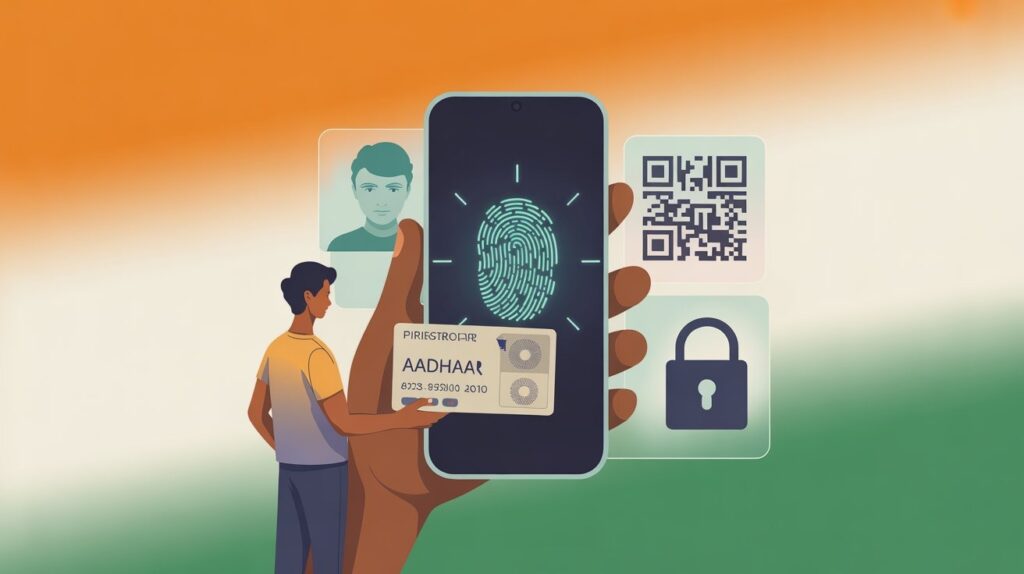
Identity verification is the first checkpoint. It answers one simple question: is this person real, and are they who they claim to be? In practice, this usually means matching a government-issued document, a photograph, and sometimes a live selfie or video against official records.
Common documents used for identity verification in India include Aadhaar, PAN, voter ID, passport, and driving licence. Banks use it to open accounts. Gig platforms use it before activating a delivery partner. Landlords use it before handing over keys.
This step usually takes minutes rather than days now, since most issuers maintain digital records that can confirm a document’s authenticity almost instantly. For a country with over a billion Aadhaar holders, matching identities at that scale in real time was unthinkable just ten years ago. The convenience is real, but it answers only the first of two essential questions employers and institutions need answered before they extend trust to a stranger.
Why Identity Checks Alone Fall Short
Here is the catch. A person can have a completely genuine Aadhaar card and still have a criminal case pending, a falsified degree, or three terminated jobs in two years. Identity verification confirms existence. It does not confirm character.
- Confirms name, date of birth, and address
- Detects fake or duplicate identities
- Speeds up onboarding for banks, fintechs, and gig platforms
- Does not reveal criminal history, job conduct, or education fraud
How Aadhaar PAN Verification API Tools Simplify Onboarding
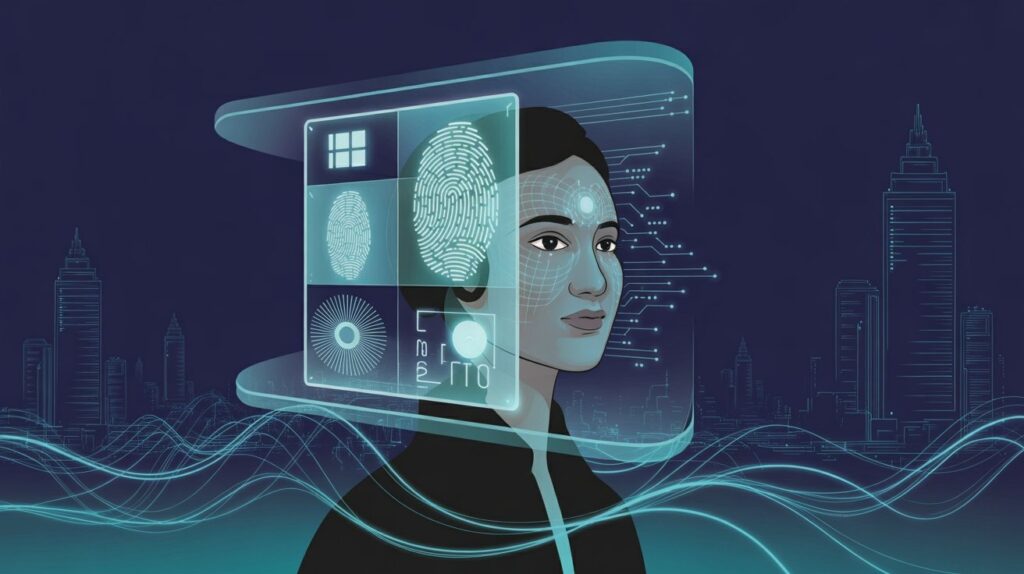
A decade ago, verifying someone’s Aadhaar or PAN meant manual paperwork and long waiting periods. Today, an Aadhaar PAN verification API can confirm both in under a few seconds, pulling data directly from UIDAI and the Income Tax Department’s authorised systems.
These APIs plug straight into a company’s hiring portal, loan application form, or KYC dashboard. The applicant enters their number, gives consent, and the system returns a match or a mismatch instantly. For HR teams processing 200 applications a week, this single integration can cut onboarding time from three days to under one hour.
Take a fintech lender approving personal loans, for example. Before APIs existed, a loan officer might spend an entire afternoon manually cross-checking a single applicant’s PAN against tax records. Now, that same check returns a result in seconds, letting the lender process hundreds of applications in the time it once took to clear a handful.
Where the API Stops Helping
An API confirms that the Aadhaar number belongs to the person typing it in. It will not tell you whether that same person was dismissed from their last job for falsifying expense reports or whether their listed degree is genuine. That requires a separate, deeper layer of checking.
Understanding the KYC Background Check Difference
KYC, or Know Your Customer, is often mistaken for a full background check. It is not. The KYC background check difference comes down to depth and purpose. KYC is a regulatory minimum, mostly built to satisfy RBI and SEBI guidelines for financial transactions. Background checks go further, examining a person’s actual track record.
| Aspect | KYC | Background Check |
| Purpose | Regulatory compliance | Risk and trust assessment |
| Depth | Surface-level identity match | Employment, criminal, and education history |
| Used by | Banks, NBFCs, fintechs | Employers, landlords, and gig platforms |
In short, passing KYC means a person exists on paper. Passing a background check means their paper trail holds up to scrutiny. A startup that treats the two as interchangeable often discovers the gap only after a costly hiring mistake.
Why Background Verification Services Matter More Than Ever

India’s hiring market has changed shape. Remote work, gig contracts, and cross-state recruitment mean employers rarely meet a candidate face-to-face before day one. That distance is exactly where fraud and exaggeration creep in.
Professional background verification services typically cover several layers at once, giving employers a fuller picture than any single document ever could.
- Employment history and reason for leaving previous roles
- Educational qualification verification with the issuing institution
- Criminal record checks across court and police databases
- Address verification through field or database checks
- Reference checks with former managers or HR contacts
A 2024 industry estimate suggested nearly 1 in every 5 resumes in India contains some form of exaggeration or misrepresentation, ranging from inflated job titles to fabricated degrees. Without proper screening, that statistic becomes a hiring manager’s problem six months into a new employee’s tenure, often after damage has already been done.
Real Cost of Skipping the Check
A bad hire is not just an HR inconvenience. Replacing an employee who was let go within the first year can cost a company anywhere between 30 percent and 50 percent of that person’s annual salary, once recruitment, training, and lost productivity are added up.
The Shift Toward Digital Identity Verification in India
The pace of change here has been fast. Digital identity verification in India has moved from in-person document checks to instant, API-driven validation, largely thanks to Aadhaar’s e-KYC framework and DigiLocker integration.
This shift benefits everyone. Candidates no longer need to physically submit photocopies. Employers no longer wait days for manual verification. Compliance teams get a digital audit trail instead of a folder of paper that might get misplaced.
But speed without depth is a false sense of security. The smartest approach combines instant digital identity checks at the front door with thorough background screening running in parallel, so onboarding stays fast without sacrificing diligence.
Building a Verification Process That Actually Works

Most companies get better results by treating verification as a two-step funnel rather than a single gate.
- Step 1: Verify identity instantly using Aadhaar, PAN, or DigiLocker integration
- Step 2: Run a full background check covering employment, education, and criminal history
- Step 3: Cross-reference results and flag discrepancies for manual review
- Step 4: Store verification records securely for audit and compliance purposes
This layered model is exactly how platforms like Vigiliq Global approach screening for Indian businesses, pairing rapid identity validation with deeper background checks so companies are not forced to choose between speed and safety.
Final Thoughts
Identity verification and background verification solve two different problems. One proves a person is real. The other proves they can be trusted. Skipping either one leaves a blind spot that eventually costs time, money, or reputation.
As India’s workforce grows more mobile and more digital, that blind spot only gets bigger. A candidate hired remotely today might never set foot in your office before their first project deadline. Without layered screening, the only thing standing between a smooth hire and a costly mistake is a single document scan.
For businesses serious about safe hiring and compliant onboarding, working with a partner that handles both, from instant Aadhaar and PAN-based identity checks to full employment and criminal history screening, removes the guesswork. Vigiliq Global builds exactly this kind of layered screening process for companies across India, helping HR and compliance teams move fast without cutting corners.
| Ready to Hire with Confidence?Combine fast identity checks with thorough background screening, all on one platform built for Indian businesses.Talk to Vigiliq Global today and screen smarter, not harder. |
Frequently Asked Questions
Identity verification confirms a person is who they claim to be, while background verification checks their history, including employment, criminal records, and education.
No, Aadhaar verification only confirms identity. Employers also need background verification to assess trustworthiness and past conduct.
Most checks are completed in 2 to 5 working days, though court record verification can take longer in certain states.
Yes, many providers offer tiered packages, so small businesses can start with basic identity and employment checks before scaling up.
Yes, when accessed through UIDAI and Income Tax Department authorised channels, these APIs use encrypted, consent-based verification.