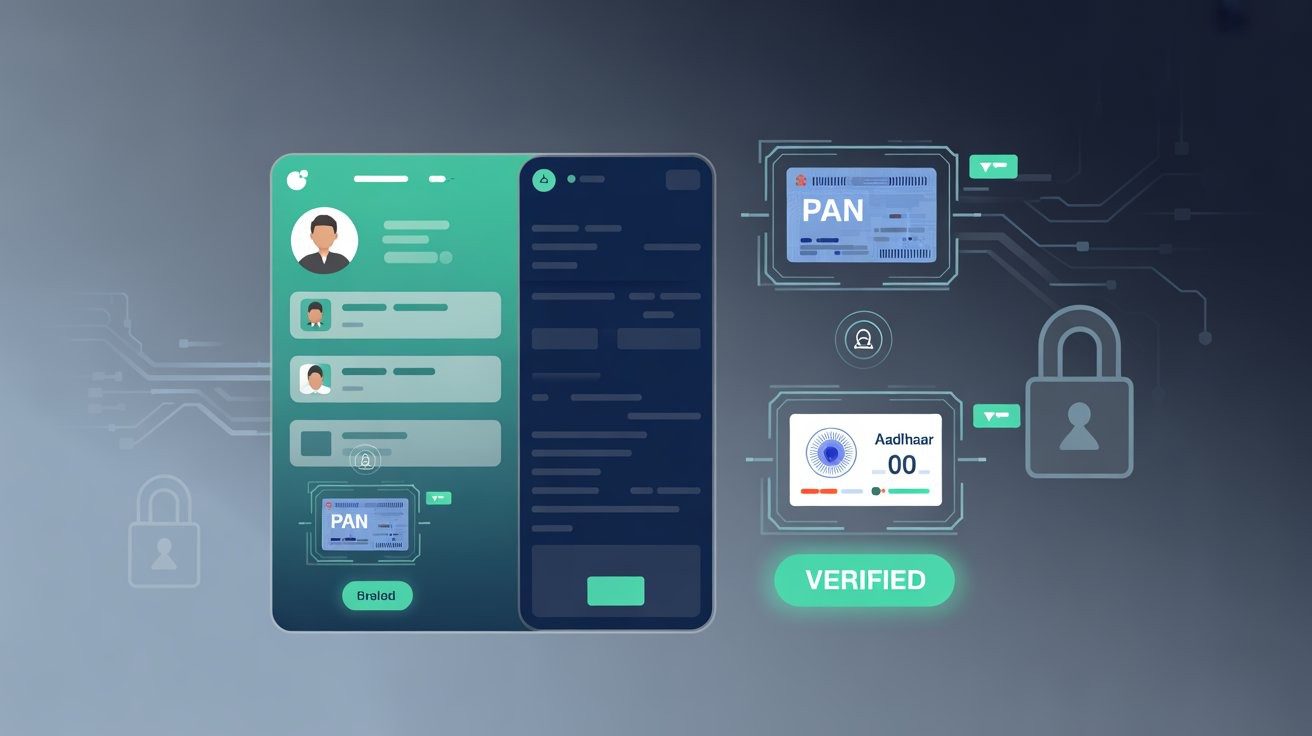
Manual background screening used to mean phone calls, emails, and a lot of waiting. A single hire could take a week just to clear verification. That timeline does not work anymore, not when candidates expect offers within days, and compliance teams are buried under growing applicant volumes. This is exactly why more companies are switching to an API suite for background checks: a single integration that runs identity, criminal, employment, and education checks in parallel instead of one at a time.
Below, we walk through ten specific checks you can automate this way, what each one actually verifies, and why stitching them together through one suite beats juggling five separate vendors. Each check on this list answers a slightly different question about a candidate, and together they build a far more complete picture than any single document ever could.
1. Identity Checks Through a PAN Aadhaar Verification API
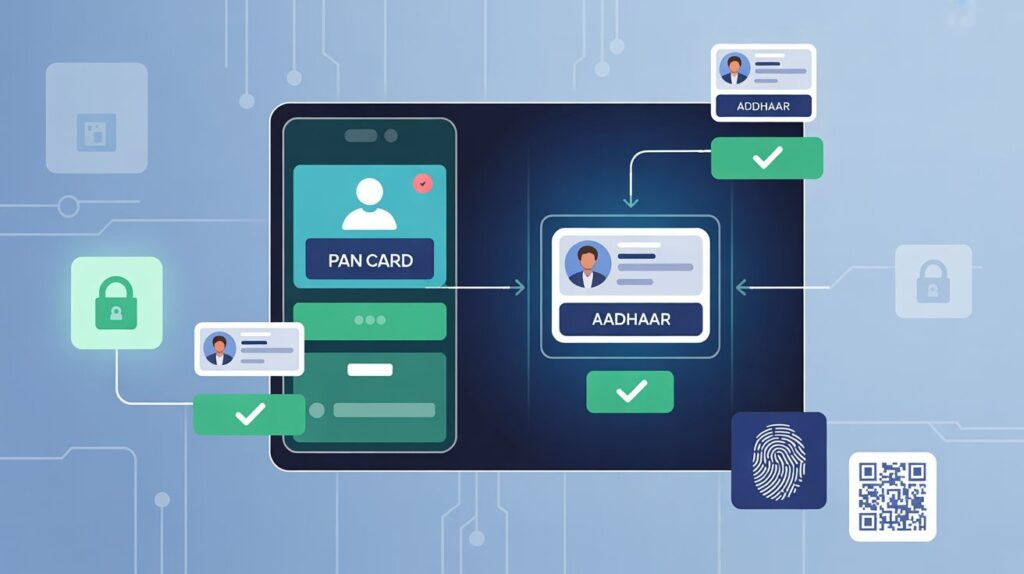
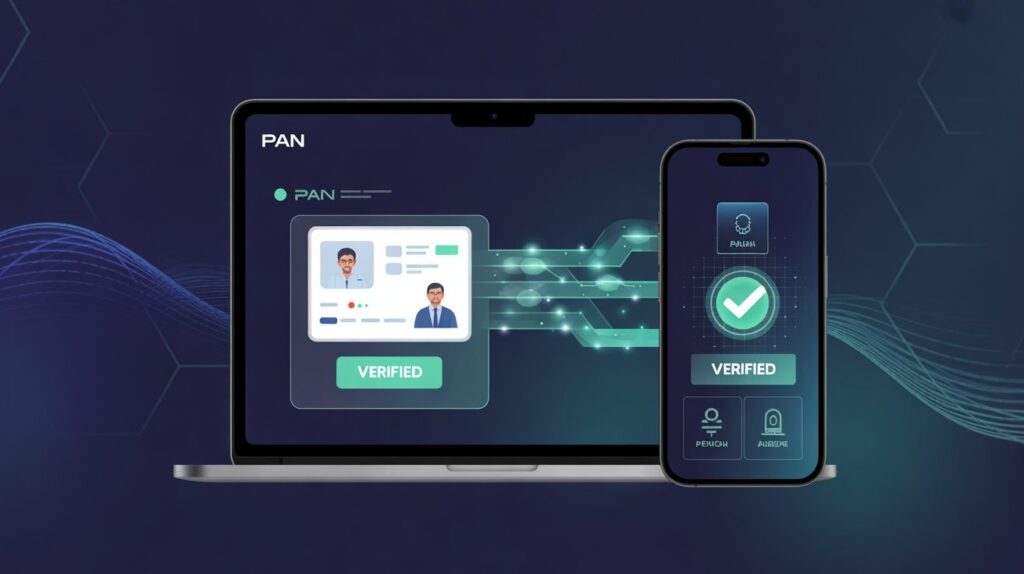
Identity is the starting point of any screening workflow. A PAN Aadhaar verification API confirms a candidate’s government-issued identity numbers against official UIDAI and Income Tax Department records in real time, flagging mismatches before they reach a human reviewer.
Instead of a recruiter manually checking each document against a database, the API call returns a verified or unverified result in under five seconds. For companies onboarding 500 candidates a month, that single automation can save dozens of working hours.
2. Criminal History Through a Criminal Record Check API
A criminal record check API pulls data from court records, police verification databases, and state-level registries to flag pending cases or past convictions. This is one of the highest-risk checks to skip, since a single bad hire with an undisclosed history can expose a company to liability and reputational damage.
Why Automation Matters Here Specifically
Manual criminal checks often rely on physical verification visits, which can take two to three weeks per candidate, depending on the state. Automated checks query digital court and police databases directly, cutting that window down to a few days in most jurisdictions.
Consider a logistics company hiring 50 delivery riders in a single month. Manual court verification across five different cities could easily stretch the entire onboarding cycle past a month. With database-driven automation, the same batch of checks often clears within a week, letting the company put riders on the road without sacrificing due diligence.
3. Work History Through an Employment History Verification API
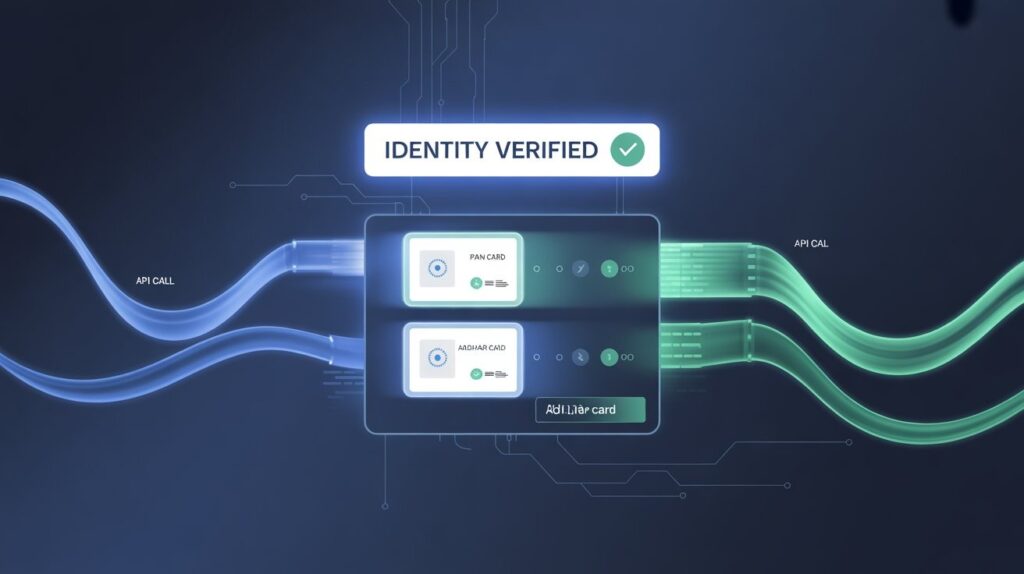
Resume exaggeration is common enough that most HR teams now treat it as a default risk. An employment history verification API contacts or cross-references previous employers, confirming job titles, tenure dates, and reason for leaving, all without a recruiter making a single phone call.
- Confirms actual job title versus claimed title
- Verifies employment start and end dates
- Flags gaps or overlaps in employment history
- Reduces dependency on candidate-provided references
4. Degree Authenticity With an Education Verification API in India
Fake degrees and inflated grades remain a persistent problem. An education verification API in India connects directly with universities, boards, and institutional databases to confirm whether a claimed degree, diploma, or certification actually exists and matches the candidate’s records.
Some industry estimates suggest roughly 1 in 10 candidates misrepresent some part of their academic history, ranging from rounding up a grade to claiming a degree that was never completed. Automated checks catch this at the source instead of relying on a photocopy.
5. Location Confirmation Using an Address Verification API
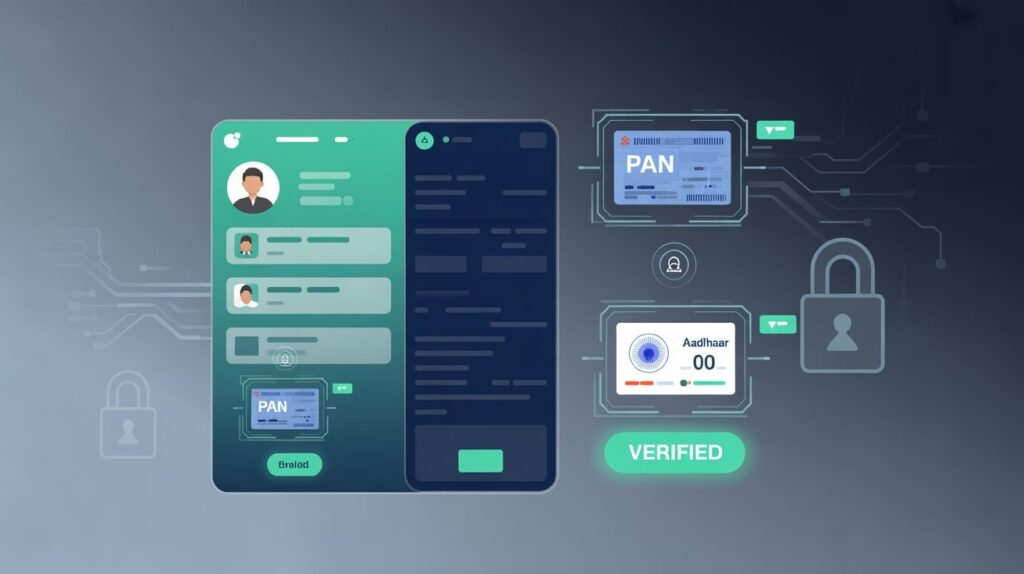
An address verification API confirms a candidate’s current and permanent address against government records, utility data, or field verification networks. This matters for compliance, background context, and in some cases, for delivery or field-based roles where address accuracy directly affects operations.
Database Checks vs Field Visits
Pure database checks are instant but limited to registered addresses. Many providers blend this with on-ground field verification for roles that need a higher level of assurance, such as cash-handling or doorstep service positions.
6. Regulatory Compliance Through a KYC API in India
A KYC API in India exists primarily to satisfy RBI, SEBI, and other regulatory mandates for financial onboarding. It is narrower in scope than a full background check, focused on confirming a customer’s identity quickly enough to meet compliance deadlines without slowing down account opening or loan disbursal.
7. Database Checks Against Watchlists and Sanctions Lists
Beyond standard identity checks, an automated suite can screen candidates or customers against global sanctions lists, politically exposed person registries, and fraud watchlists. This is especially relevant for financial services and fintech platforms operating under strict regulatory scrutiny.
A single missed match against a sanctions list can trigger regulatory penalties that run into lakhs of rupees, depending on the sector and the severity of the lapse. Running this check automatically at the point of onboarding, rather than as a periodic audit task, closes that exposure before it becomes a problem.
8. Reference Checks at Scale
Reference checks are traditionally one of the slowest parts of screening, since they depend on a third party responding to calls or emails. Automated workflows send structured reference forms automatically and follow up without manual intervention, often cutting turnaround time by half.
9. Drug and Health Screening Coordination
While the actual lab testing still happens offline, an API suite can automate scheduling, result retrieval, and compliance documentation for drug and health screening programs, particularly useful for logistics, manufacturing, and healthcare employers with regulatory testing requirements.
10. Continuous Monitoring After Onboarding
Background checks are not always a one-time event. Some industries, particularly finance and healthcare, require ongoing monitoring for new criminal records, licence revocations, or sanctions list additions. Automated suites can run these checks quarterly or annually without restarting the entire screening process.
Why One Suite Beats Ten Separate Vendors
Stitching together ten different point solutions creates ten different points of failure. Each vendor has its own API format, its own turnaround time, and its own support queue. A unified API suite for background checks solves this by giving a single integration point, a single dashboard, and one support relationship instead of ten.
- One integration instead of multiple vendor APIs
- Consistent turnaround times across all check types
- Centralised compliance and audit trail
- Lower total cost compared to managing separate contracts
Companies that switch from five or six fragmented vendors to a single consolidated suite often report a 30 to 40 percent reduction in average time-to-hire, simply because checks that used to run sequentially now run in parallel through one coordinated system.
This consolidated approach is exactly how Vigiliq Global structures its screening platform for Indian businesses, combining identity, criminal, employment, education, and address checks under a single technical layer so HR and compliance teams are not stuck managing fragmented tools.
Final Thoughts
Automation is no longer a nice-to-have in background screening. It is the difference between clearing a candidate in two days versus two weeks, and between catching a fabricated degree before day one versus discovering it six months in.
Whether a company needs a single criminal record check tool or wants the full ten-check coverage outlined above, the principle stays the same. Fewer manual steps mean fewer chances for error, and faster results mean faster hiring. Working with a single API suite for background checks removes the friction of juggling multiple vendors, and Vigiliq Global was built around exactly this kind of consolidated, compliant screening workflow for companies operating across India.
| Ready to Automate Your Screening Stack?Plug in one API suite and replace ten manual checks with a single, fast, compliant workflow.Talk to Vigiliq Global and screen at scale, without the manual grind. |
Frequently Asked Questions
It is a bundle of connected APIs that automate identity, criminal, employment, education, and address checks through one integration.
Yes, when accessed through UIDAI and Income Tax Department authorised partners with proper user consent.
Most institution-linked checks return a result within 24 to 72 hours, compared to weeks for manual verification.
Yes, most providers offer pay-per-check pricing, so smaller companies only pay for the volume they actually verify.
Yes, automated cross-checks catch fabricated employment, education, and identity claims far more consistently than manual review.